
Goliad Three-Day Release Sources
The Goliad County Sheriff page, sheriff microsite, and jail page do not publish a verified rolling 72-hour release view. No official source reviewed defines a three-day filter, field set, update schedule, retention rule, or sheriff mobile app. A current roster cannot be filtered backward to create a sound release list. A missing name can reflect community release, transfer, delay, or a search mismatch.
The useful alternative is a dated reconstruction from official records. Begin with the Goliad County Jail at 361-645-8259. Ask for actual release and transfer events within a precise start and end time. Phone staff may limit detail, so follow with a written request for the booking and release sheet. Keep the time when each source was checked.
The official sheriff contact page is captured below. It supplies local contact and links to VINE, but it does not display a three-day release list.
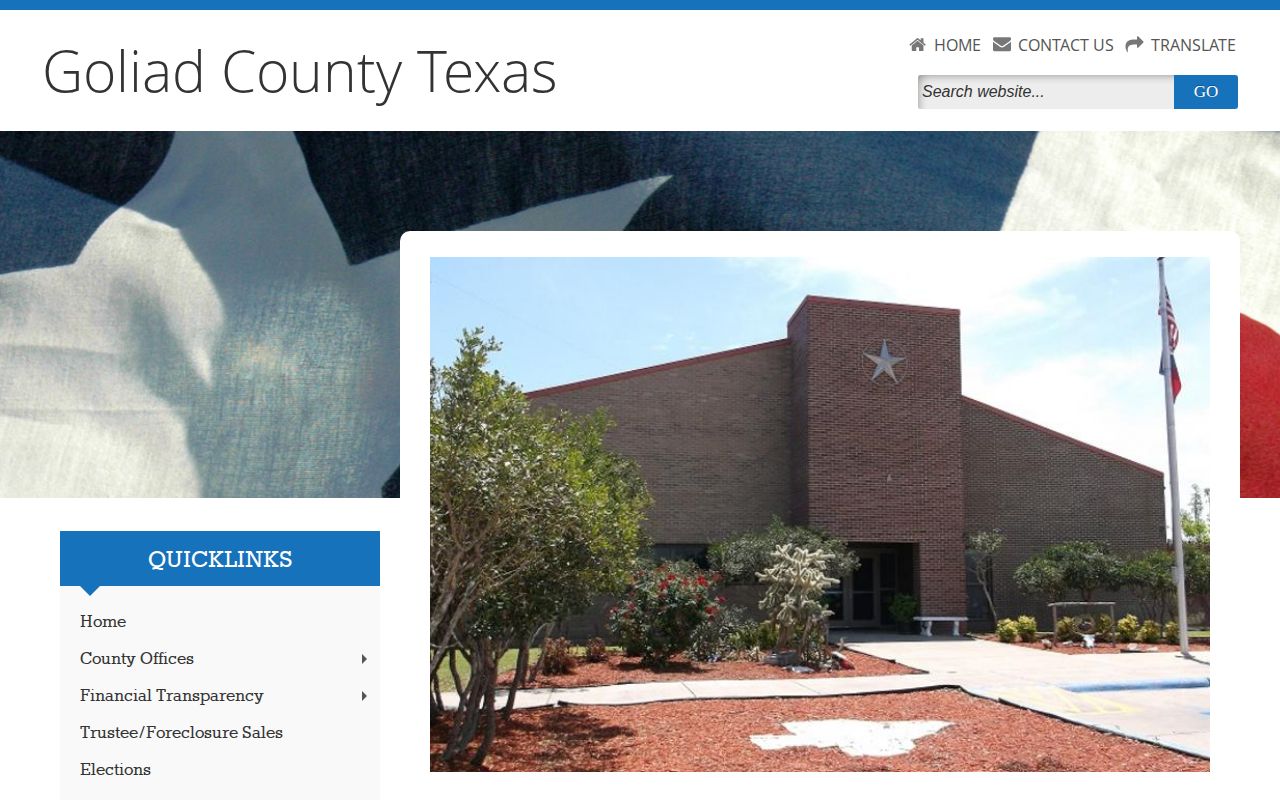
Use the page to reach the originating office, then obtain the event record for the chosen interval.
Build Goliad's 72-Hour Window
A three-day check works best as an event log. Have the full legal name, approximate booking date, and any booking or case number ready. Routine records questions belong with the jail, not emergency dispatch. Ask the same questions for each custody episode so the results can be compared.
- Set the beginning and ending timestamps for the 72-hour period.
- Call 361-645-8259 and ask whether the person is held now.
- Request the actual release or transfer time, basis, authority, and destination.
- Search Texas VINE and record its exact event wording, agency, facility, and time.
- Request the sheriff's booking and release record under the Texas Public Information Act.
- Match the event to the signed court record and follow any named transfer.
Use the Goliad 24-Hour Releases page when today's activity is the main concern. The Goliad released-inmate search and records hub gives the full path for one named person.
Goliad 72-Hour Record Fields
No public Goliad feed supplies a documented field set. The fields below are items to request from the sheriff, not claims about a web list. They help align events by time and prevent two people or two bookings from being merged.
| Requested field | Use in the three-day review |
|---|---|
| Full name and identifiers | Connects the event to the correct person. |
| Booking or arrest number | Separates one custody episode from another. |
| Actual event date and time | Places the departure inside or outside the window. |
| Release basis and authority | Distinguishes bond, time served, court order, sentence completion, or another basis. |
| Facility and destination | Separates community release from transfer. |
| Holds or detainers | Explains why custody may continue after one case ends. |
A court order may precede the administrative jail event. Use the sheriff's time for physical departure and the signed record for the legal case result.
Goliad Weekend Release Gaps
No official source states a standing Goliad weekend or holiday release schedule. The research also found no sourced processing hour, physical exit door, property-return rule, or family waiting area. Those details must be asked for a specific release. Do not turn a pattern seen in one case into jail policy.
A judge may sign an order before jail staff receive it, clear unrelated holds, and complete release processing. The judgment date and exit time can therefore differ. A late event may also appear in VINE after the source agency's administrative event. Preserve both the agency event time and retrieval time rather than moving the record into whichever day seems convenient.
TDCJ states that its current-prison data updates on working days and is at least 24 hours old. That rule does not define county-jail timing. It does explain why a state transfer may not be visible at once. Check the proper receiving system after the weekend or holiday without declaring a release from absence alone.
Why Goliad Release Sources Differ
Official channels reviewed do not expose a substantiated rolling 24-hour or 72-hour feed. A VINE event, sheriff log, and court record answer distinct questions. VINE reports a custody change from a participating agency. The sheriff log records the actual jail release or transfer event. A docket locates a court setting, while only the signed case record establishes disposition.
| Source | What it supports | What it cannot settle alone |
|---|---|---|
| VINE | The displayed agency reported a custody event. | Release basis, final case outcome, or other custody. |
| Sheriff log | Actual jail event time, type, and destination. | The full meaning of the court's judgment. |
| Court file | Signed bond, dismissal, sentence, or judgment. | Physical exit time and unrelated holds. |
| Receiving locator | That authority's own custody status. | Status in every other sovereign system. |
This evidence hierarchy is the distinctive Goliad three-day method. Reconcile the sources instead of treating one notification as a complete release record.
Goliad Release Versus Transfer
A departure from Goliad County Jail is not always entry into the community. Bond, time served, sentence completion, dismissal, or another authorized order may support community release. A pickup by TDCJ, another county, USMS, or ICE is a transfer and continued custody.
- Community release
- Departure without a documented pickup by another custodian.
- Transfer
- Movement to another jail, prison, federal authority, immigration custody, treatment placement, or agency.
- Discharge
- Completion of a sentence or supervision term, often later than physical release.
- Detainer
- A hold or claim that may block community release after one matter ends.
Follow a named destination in the correct lane. TDCJ's public search includes only people currently incarcerated in TDCJ, and it is not a historical release archive. Use BOP for federal sentenced custody, ICE for immigration detention, and the federal docket, housing facility, or district office for USMS matters.
Request Goliad Three-Day Records
When phone confirmation is not enough, send a focused request to the Goliad County Sheriff's Office. Identify the person, booking period, and exact 72-hour interval. Ask for the booking sheet, release log entry, actual departure time, release or transfer basis, legal authority, and receiving agency. Costs follow Texas attorney general Public Information Act rules, so ask for a current estimate rather than assuming a set fee.
Then use the combined County and District Clerk to locate the case. Its page separates county court and the 24th, 135th, and 267th district court docket blocks. A misdemeanor generally routes through county court and a felony through district court. The docket finds a setting or cause number. Request the signed bond order, dismissal, judgment, sentence, jail-credit record, or community-supervision order to establish the result.
Save the agency name, retrieval time, identifier, and exact wording. If sources still conflict, state the conflict. Do not convert an uncertain or transferred event into a community release.
Reconcile Goliad Release Conflicts
A three-day interval can contain records that look inconsistent but describe different stages. If VINE reports release while a court docket shows a later setting, the person may have left on bond while the prosecution continues. Obtain the release sheet for the bond type and time, then return to the court file for the final result.
A time-served judgment also needs a jail event. Staff may still have to process the order and clear another hold. Never publish the judgment timestamp as the physical exit time. If TDCJ does not show a person after the jail reports transfer, allow for its working-day update lag and search by TDCJ or SID number before concluding the transfer failed.
Two people can share a name. Compare date of birth, middle name, booking number, case number, physical descriptors, and agency. Keep the records apart if the identifiers do not resolve the match. A careful 72-hour list can include an unresolved status, but it should never merge identities or guess at community release.
Public Record Search
Sponsored Results